Why Women in Their 40s Lose Collagen — and What It Means for Your Skin
Understanding the hormonal shift behind collagen loss and the evidence-based treatments that help restore skin strength, firmness, and glow.
Introduction
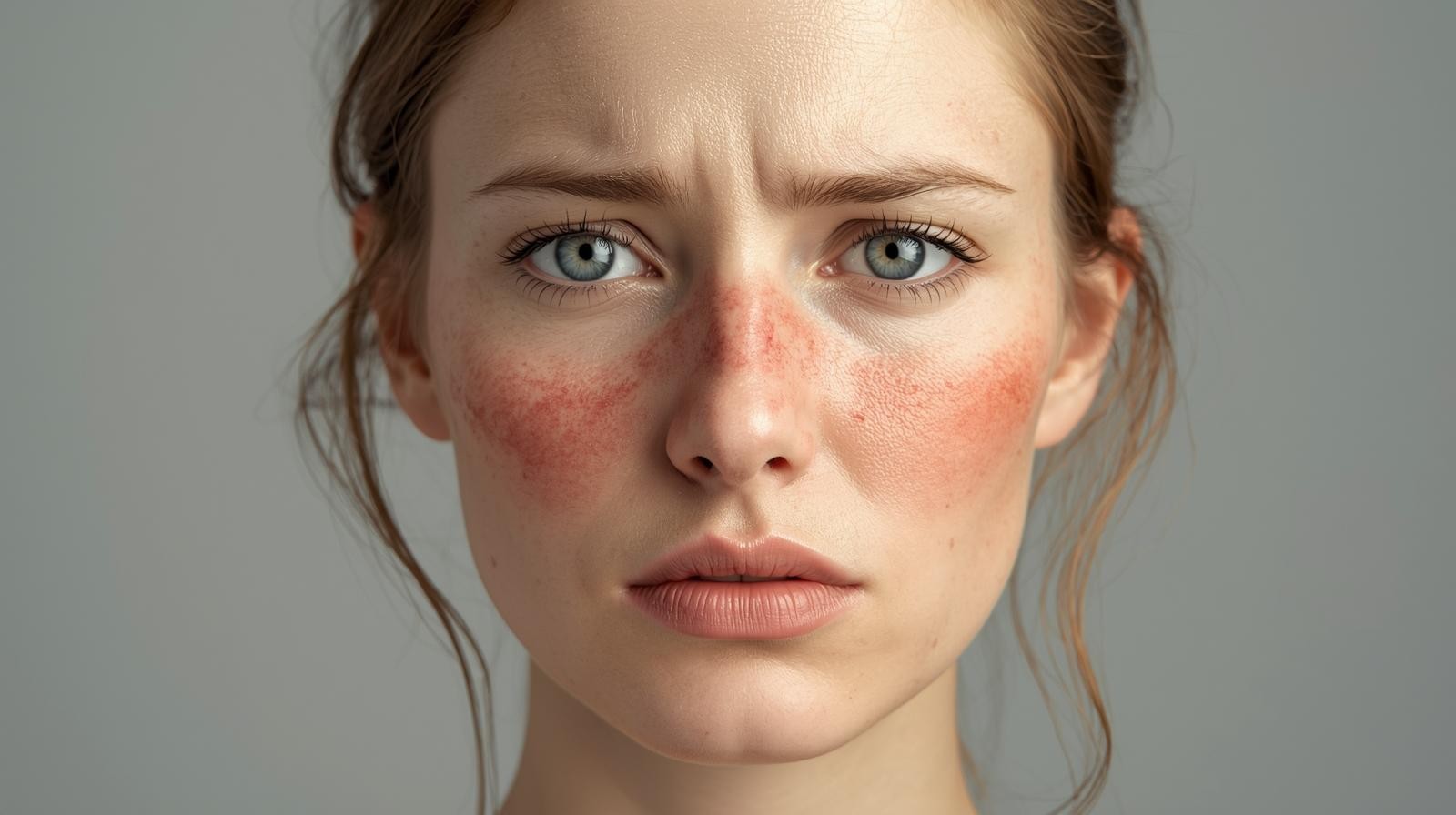
Many women notice a sudden change in their skin in their early to mid-40s. Fine lines seem deeper, skin feels thinner or less firm, and that youthful “bounce” is harder to maintain — even with good skincare.
This isn’t your imagination. From our 40s onwards, collagen loss accelerates due to hormonal changes, particularly the decline in oestrogen. Collagen is the structural protein responsible for skin firmness, elasticity, and strength, and once levels drop, visible ageing becomes more pronounced.
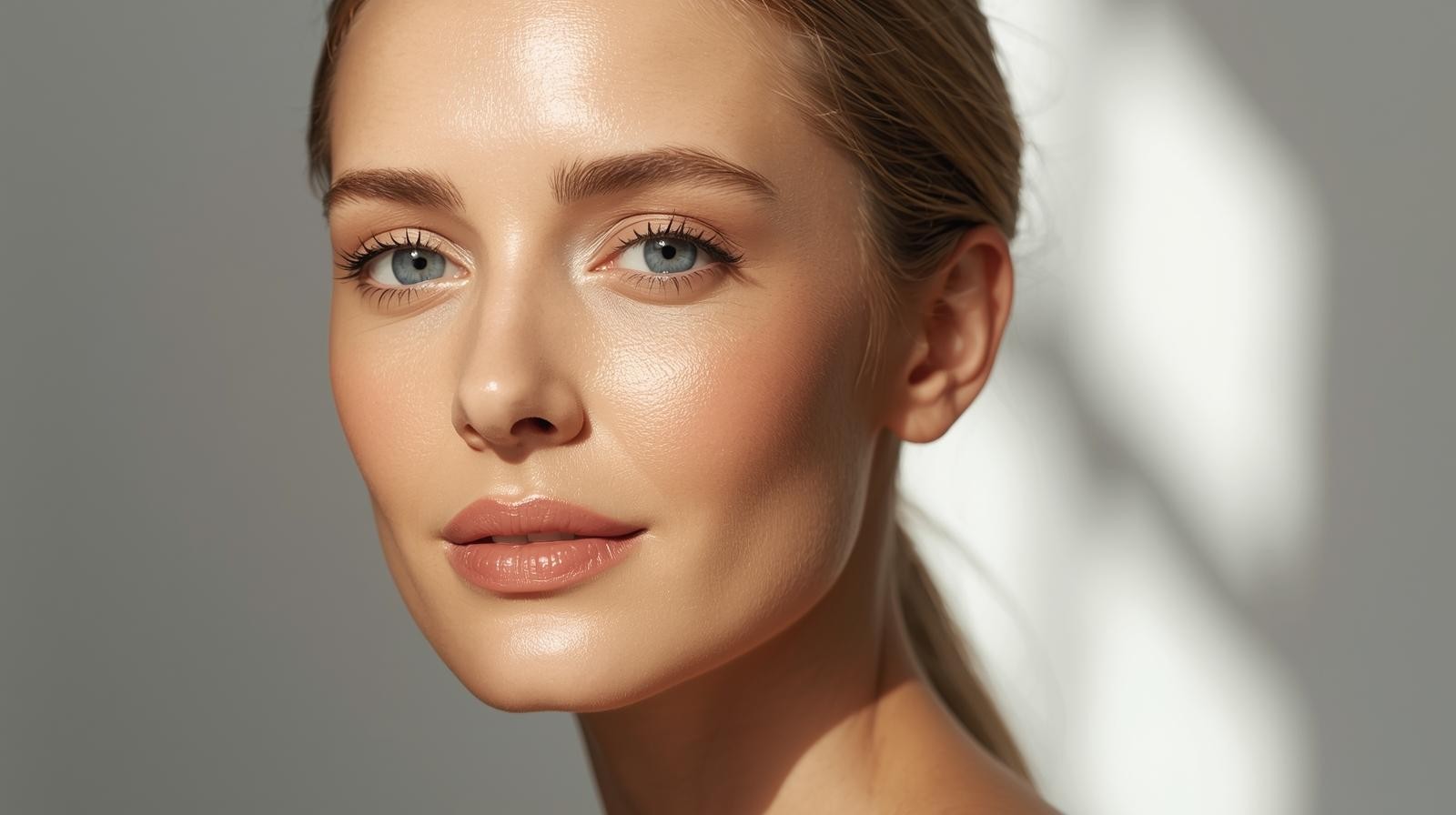
The good news? Modern aesthetic treatments can effectively stimulate collagen production and slow this process — when chosen and combined correctly.
Why Collagen Declines in Your 40s
Collagen production naturally decreases by about 1% per year from our mid-20s, but this loss becomes more significant during perimenopause and menopause.
Key contributing factors include:
Declining oestrogen levels, which directly affect collagen synthesis
Reduced fibroblast activity (cells responsible for collagen production)
Cumulative sun exposure and environmental damage
Chronic inflammation and oxidative stress
By the time a woman reaches menopause, studies show the skin can lose up to 30% of its collagen within the first five years.
Clinical Insight: Oestrogen plays a critical role in maintaining dermal thickness and collagen density, and its decline is strongly associated with skin ageing. (Brincat M. et al., Climacteric, 2000)
Evidence-Based Treatments On How To Boost Collagen
Skin Boosters
Skin boosters are injectable treatments containing hyaluronic acid and bioactive compounds that deeply hydrate the skin and stimulate fibroblast activity.
They improve skin quality, elasticity, and firmness while creating an ideal environment for collagen production.
Benefits include:
Improved skin hydration and elasticity
Smoother texture and subtle plumping
Enhanced collagen stimulation over time
Clinical Insight: Studies show that hyaluronic acid skin boosters stimulate collagen synthesis and significantly improve skin elasticity and dermal density. (Sundaram H. et al., Dermatologic Surgery, 2010)
Microneedling (Collagen Induction Therapy)
Microneedling creates controlled micro-injuries in the skin, triggering the body’s natural wound-healing response and stimulating new collagen and elastin formation.
It is particularly effective for early signs of ageing, uneven texture, and loss of firmness.
Benefits include:
Increased collagen and elastin production
Improved texture and tone
Reduction in fine lines and pores
Clinical Insight: Histological studies confirm that microneedling significantly increases collagen and elastin deposition in the dermis. (Aust M. et al., Plastic and Reconstructive Surgery, 2008)
Mesotherapy
Mesotherapy involves microinjections of vitamins, peptides, amino acids, and hyaluronic acid directly into the skin, delivering essential nutrients to support collagen synthesis.
It nourishes the skin at a cellular level and is ideal for dull, tired, or ageing skin.
Benefits include:
Enhanced skin vitality and radiance
Improved firmness and hydration
Support for collagen-producing cells
Clinical Insight: Research indicates that mesotherapy improves skin elasticity and dermal thickness by stimulating fibroblast activity. (Herreros F. et al., Journal of Cosmetic Dermatology, 2011)
RF Microneedling
RF microneedling combines traditional microneedling with radiofrequency energy, delivering controlled heat deep into the dermis where collagen is formed.
This makes it particularly effective for skin laxity and more advanced signs of ageing.
Benefits include:
Deep collagen remodelling
Skin tightening and lifting
Improved firmness in the face, neck, and jawline
Clinical Insight: Clinical studies show RF microneedling significantly increases collagen density and improves skin laxity (Hantash BM et al., Journal of Cosmetic and Laser Therapy, 2009)
Chemical Peels
Medical-grade chemical peels work by exfoliating damaged surface layers of the skin, stimulating cell turnover and encouraging new collagen formation beneath.
When used strategically, peels can improve skin texture, tone, and fine lines.
Benefits include:
Smoother, brighter skin
Improved collagen renewal
Reduction in fine lines and pigmentation
Clinical Insight: Studies show that BBL not only improves photoageing and redness but also influences gene expression associated with younger, healthier skin. (Chang ALS et al., Journal of Investigative Dermatology, 2009)
Broadband Light (BBL) Treatment
Broadband Light (BBL) therapy uses controlled pulses of light to heat the deeper layers of the skin, stimulating fibroblasts and encouraging collagen production over time.
BBL is especially valuable for women with sensitive or rosacea-prone skin, where injectable treatments may not be suitable. It offers a non-invasive way to support collagen while calming redness and improving skin tone.
Benefits include:
Stimulates collagen and improves firmness
Reduces redness, pigmentation, and inflammation
Suitable for sensitive and reactive skin types
Clinical Insight: Studies show that BBL not only improves photoageing and redness but also influences gene expression associated with younger, healthier skin. (Chang ALS et al., Journal of Investigative Dermatology, 2009)
Final Thoughts
Collagen loss in your 40s is a natural and unavoidable part of ageing — but how your skin responds to it is not. With the right treatments, it’s possible to strengthen the skin, improve firmness, and age confidently and gracefully.
At SBM Beauty Clinic, I create personalised collagen-supporting treatment plans based on your skin type, sensitivity, and goals. Whether you’re noticing early changes or more advanced signs of ageing, there is always a safe, effective way to support your skin.
Your collagen journey begins with understanding your skin — and I’d love to guide you through it.
Curious about what's right for you?
Ready to restore your skin’s strength and glow? Book your consultation today and discover how collagen-boosting treatments can help your skin look firmer, smoother, and more radiant.
References
Brincat M, Versi E, Moniz CF, et al. Skin collagen changes in post-menopausal women. Climacteric. 2000;3(4):289–295.
Sundaram H, Voigts B, Beer K, Meland M. Comparison of the rheological properties of viscosity and elasticity in two categories of soft tissue fillers: skin boosters and volumizing fillers. Dermatologic Surgery. 2010;36(Suppl 3):1859–1865.
Aust M, Reimers K, Repenning C, et al. Percutaneous collagen induction: minimally invasive skin rejuvenation without risk of hyperpigmentation—fact or fiction? Plastic and Reconstructive Surgery. 2008;122(5):1553–1563.
Herreros F, Moraes AM, Velho PE. Mesotherapy: a bibliographic review. Journal of Cosmetic Dermatology. 2011;10(4):311–315.
Hantash BM, Ubeid AA, Chang H, Kafi R, Renton B. Bipolar fractional radiofrequency treatment induces neo-collagenesis and neo-elastogenesis. Journal of Cosmetic and Laser Therapy. 2009;11(2):65–74.
Soleymani T, Lanoue J, Rahman Z. A practical approach to chemical peels: a review of fundamentals and step-by-step algorithmic approach. Journal of Clinical and Aesthetic Dermatology. 2018;11(8):21–28.
Chang ALS, Bitter P, et al. Rejuvenation of photodamaged skin with broadband light treatment: a pilot study. Journal of Investigative Dermatology. 2009;129(11):2750–2755.